What Happens at Airports If You Travel During Japan’s Bonenkai Season
Traveling to Japan at the end of the year can be magical—illuminations everywhere, festive food, and a lively holiday atmosphere. But if your trip happens to fall during bonenkai season, usually from late November to mid-December, you’ll notice something unique the moment you step into an airport. Bonenkai, which literally means “year-forgetting party,” is Japan’s end-of-year tradition where coworkers and friends gather to unwind, celebrate, and forget the troubles of the past year. And yes, it affects airports more than you’d expect.
Airports Get Busier in the Evenings
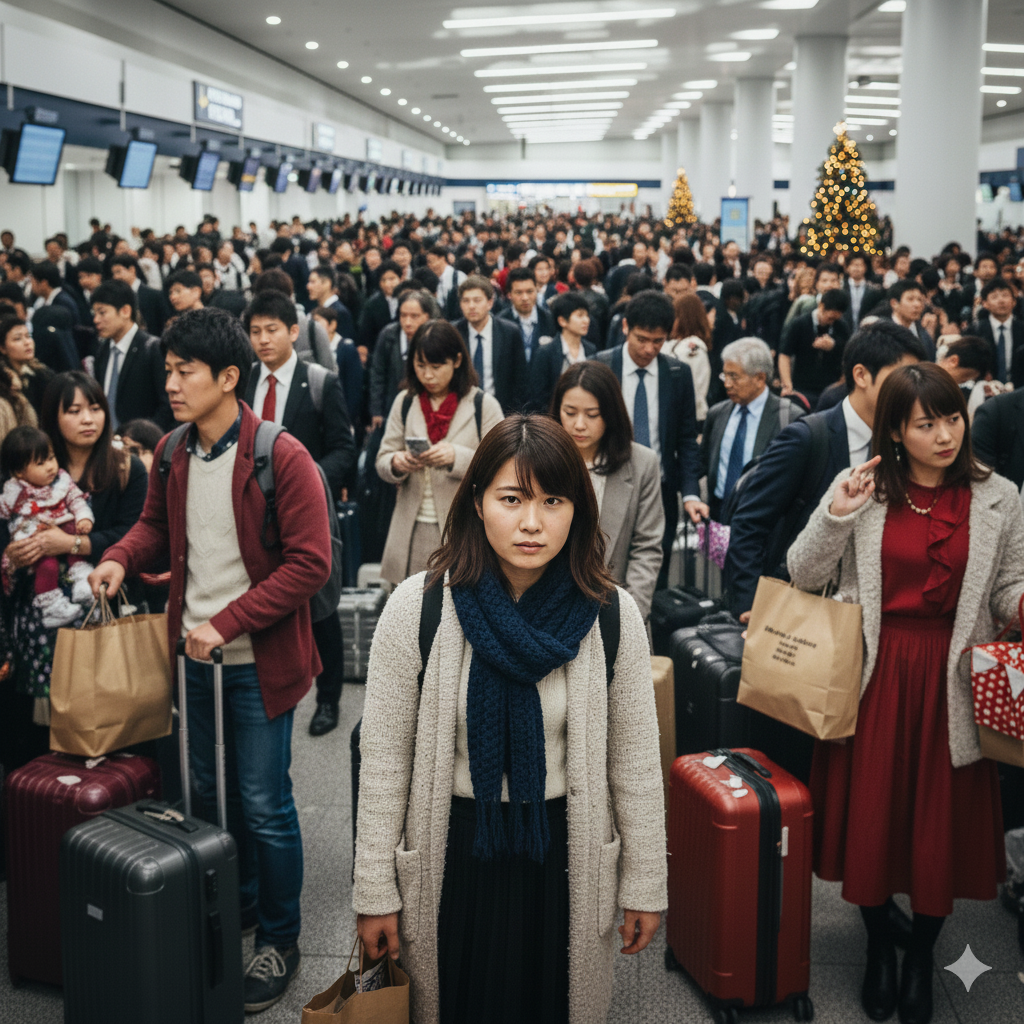
Bonenkai events are typically held after work, meaning many people head to airports for domestic flights right before party time or immediately after. Evening flights to cities like Sapporo, Fukuoka, and Okinawa tend to be more crowded, especially on Fridays. Even if you’re flying internationally, you might notice longer lines at security or check-in during these hours.
More People Traveling for Company Parties
Some companies hold their bonenkai at resort areas, hot spring towns, or major cities outside their region. This means groups of employees often travel together, filling up flights and airport lounges. It’s not unusual to see coworkers in matching jackets or groups chatting excitedly while waiting to board.
Expect a Few Tipsy Travelers
Because bonenkai culture usually involves drinking—sometimes a lot—airports see a noticeable number of passengers who are already buzzed or recovering from the night before. Early-morning flights, in particular, can be filled with tired, slightly hungover business travelers heading back home or to their next destination.
Restaurants and Lounges Stay Packed
Airport restaurants, especially izakaya-style spots, tend to be busier during this season. Groups going to or returning from bonenkai gatherings often stop for one last drink or bite to eat, making it harder to find a free seat during peak hours.
More Luggage Than Usual
Some travelers bring extra luggage because bonenkai trips sometimes include overnight stays or gift exchanges. It’s not uncommon to see people carrying souvenirs, sake bottles, or presents for friends and coworkers, which slows down security screenings.
Longer Queues for Taxis and Buses After Landing
In major airports like Haneda and New Chitose, the rush of travelers arriving after evening flights often leads to longer lines for airport buses and taxis. If you’re landing late, especially on weekends, be prepared for a short wait.
A Festive but Slightly Chaotic Atmosphere
Despite the slight increase in crowds and energy, there’s also a cheerful vibe at airports during bonenkai season. People are relaxed, excited for the holidays, and in a good mood. Decorations and seasonal snacks add to the festive feel, making the airport experience lively even if it’s a bit more hectic.
If you’re traveling to or within Japan during bonenkai season, a little extra patience—and maybe arriving earlier than usual—can go a long way. You’ll get a firsthand look at one of Japan’s most beloved end-of-year traditions, even before officially stepping into the city.