How Tourists Accidentally Violate Japanese Visa Conditions Without Realizing
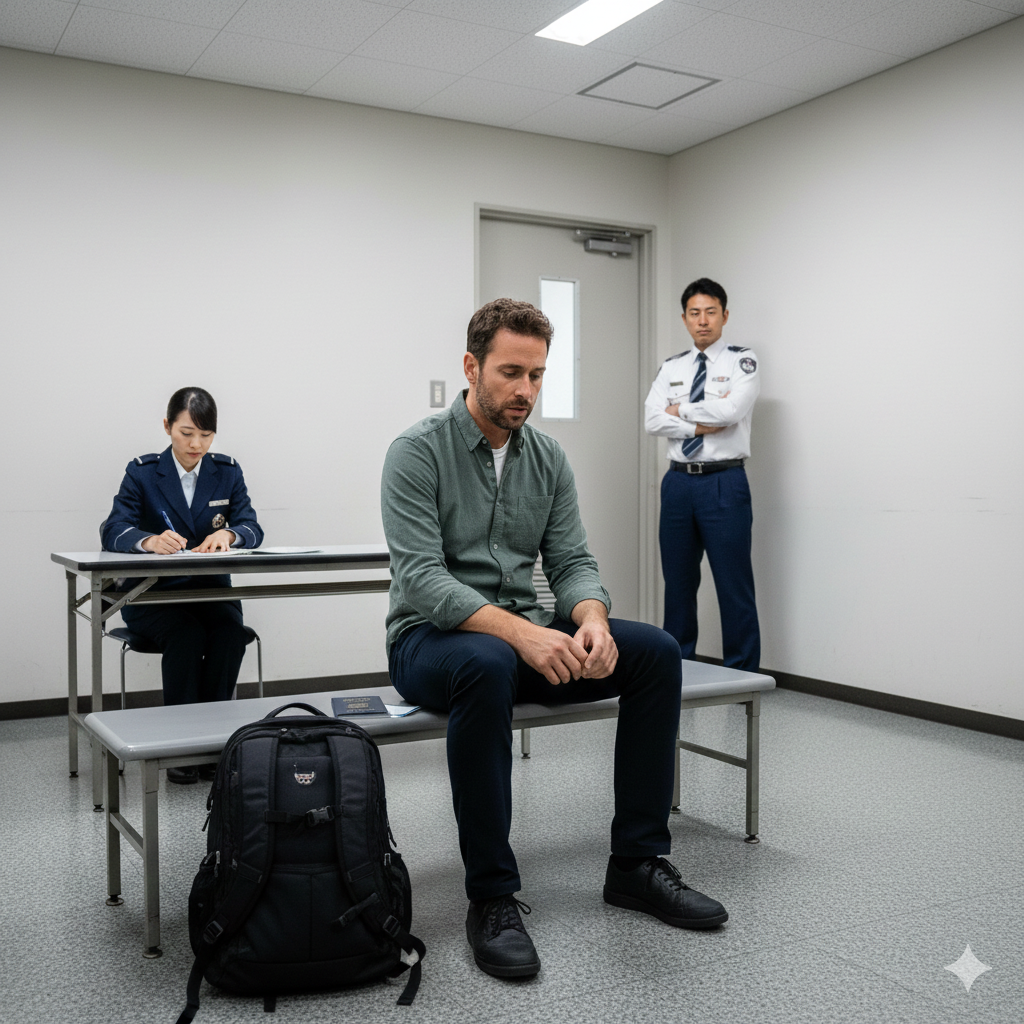
Many travelers assume that a tourist trip to Japan is simple: arrive, explore, and leave before the visa expires. But Japan has specific immigration rules that can be surprisingly easy to break—often without any bad intention. These accidental violations are more common than people think, and even small mistakes can cause trouble on future visits. Here are some of the ways tourists unintentionally break the rules.
Staying Past the Allowed Number of Days
Japan’s immigration stamps can be confusing, especially for first-time visitors. Some travelers misread the stamped date because of different date formats or assume they automatically get 90 days when entering with visa-free status. In reality, immigration officers can issue less than 90 days depending on circumstances. Even overstaying by a single day counts as a violation.
Doing Any Form of Paid Work
Tourist visas do not allow any kind of paid activity. Many travelers don’t realize that “work” includes freelance projects, remote work for a foreign employer, or even small online gigs. If you sit in a café doing remote tasks for clients back home, legally, that counts as work—and technically violates tourist status. Immigration rarely checks this, but the rule still applies.
Participating in Activities That Look Like Employment
Helping at a friend’s restaurant, assisting with a family business, or volunteering in exchange for accommodation counts as “engaging in activities not permitted by status.” Even if no money changes hands, if it looks like work, it’s considered work under Japanese immigration law.
Staying in Japan While Waiting for an Online Job or School Application Result
Some travelers think they can enter Japan on a tourist visa, then apply for jobs or schools while waiting inside the country. You *can* apply, but you are not allowed to start any job-hunting activity that resembles work trials or interviews with compensation. Some people also assume immigration will automatically extend their stay if a school acceptance or job contract is pending, but extensions are rarely granted for this reason.
Using Japan as a “Long Stay Hub”
A number of digital nomads try to stay in Japan long-term by exiting to a nearby country and re-entering repeatedly. This is called “visa runs.” While technically allowed at first, doing this too often raises red flags. Immigration officers may refuse entry if they suspect you are living in Japan without proper residency status.
Studying Without Permission
Joining short-term language classes for a few hours is fine, but some tourists join longer, intensive programs without realizing that anything considered “formal study” requires a student visa. Schools are required to check visa status, but smaller private tutors or short programs sometimes don’t catch this—placing the tourist at risk.
Working at Cultural or Religious Events
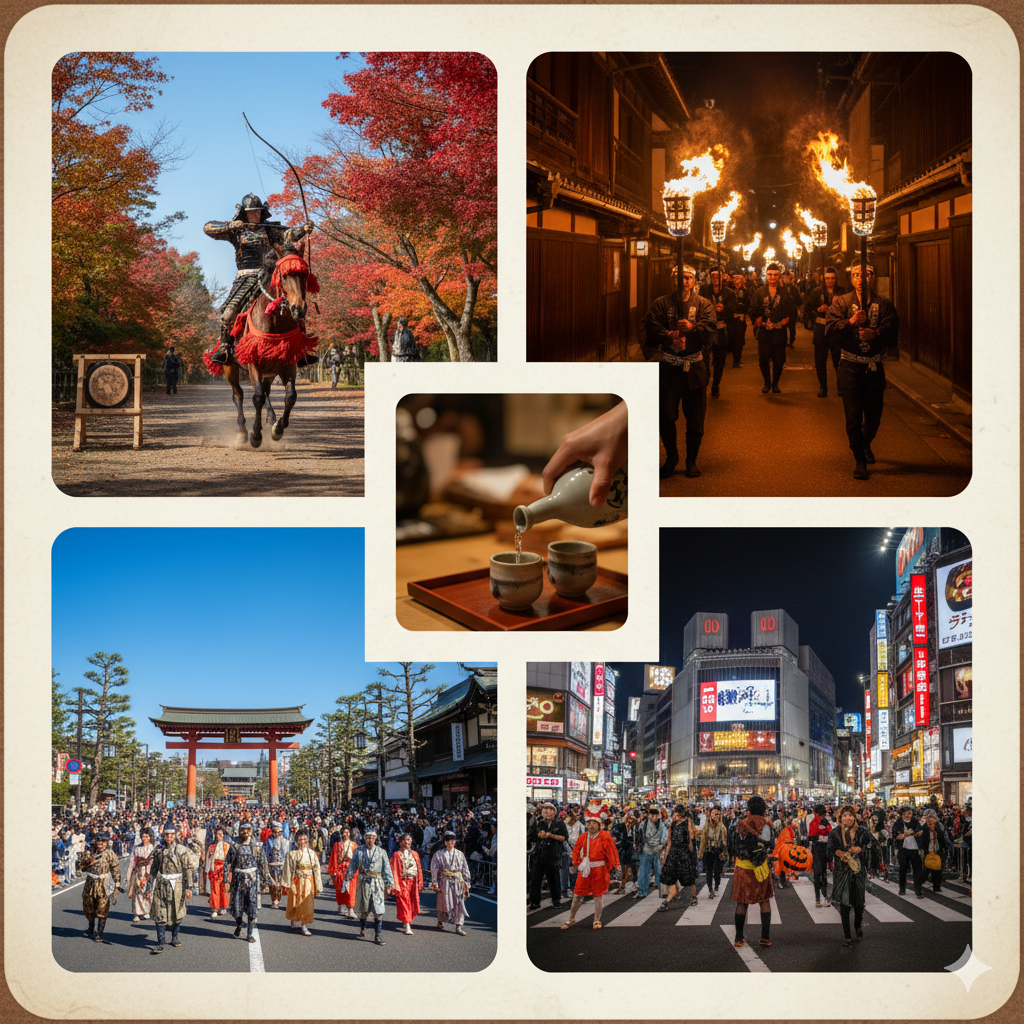
Some foreigners volunteer at festivals, neighborhood events, or community gatherings without realizing that certain roles—like carrying a mikoshi or helping a booth—can be considered work if there is compensation, gifts, or benefits. Even receiving accommodation or food from the organizer can qualify as “payment.”
Engaging in Restricted Freelance Content Creation
Filming, photography, or creating videos for monetized social media channels is a gray area. Technically, earning money from content shot during your stay could be considered work. Most tourists don’t think about this, but immigration rules can interpret monetized content as “business activity.”
Confusing “Activities Allowed” with “Nobody Checks”
Japan’s immigration rules rely heavily on trust. Many tourists break rules not because they intend to, but because no one stops them at the moment. However, issues usually appear later—during the next entry, visa application, or an unexpected immigration interview.
Final Thoughts
Most violations are innocent mistakes, not intentional wrongdoing. But Japan takes visa conditions seriously, and even unintentional breaches can affect future travel. The safest approach is simple: know what’s allowed, what isn’t, and when in doubt, avoid any activity that might resemble work or long-term residence. Staying informed ensures your trip stays enjoyable—and problem-free.