Japanese Train Etiquette During Winter Rush Hour
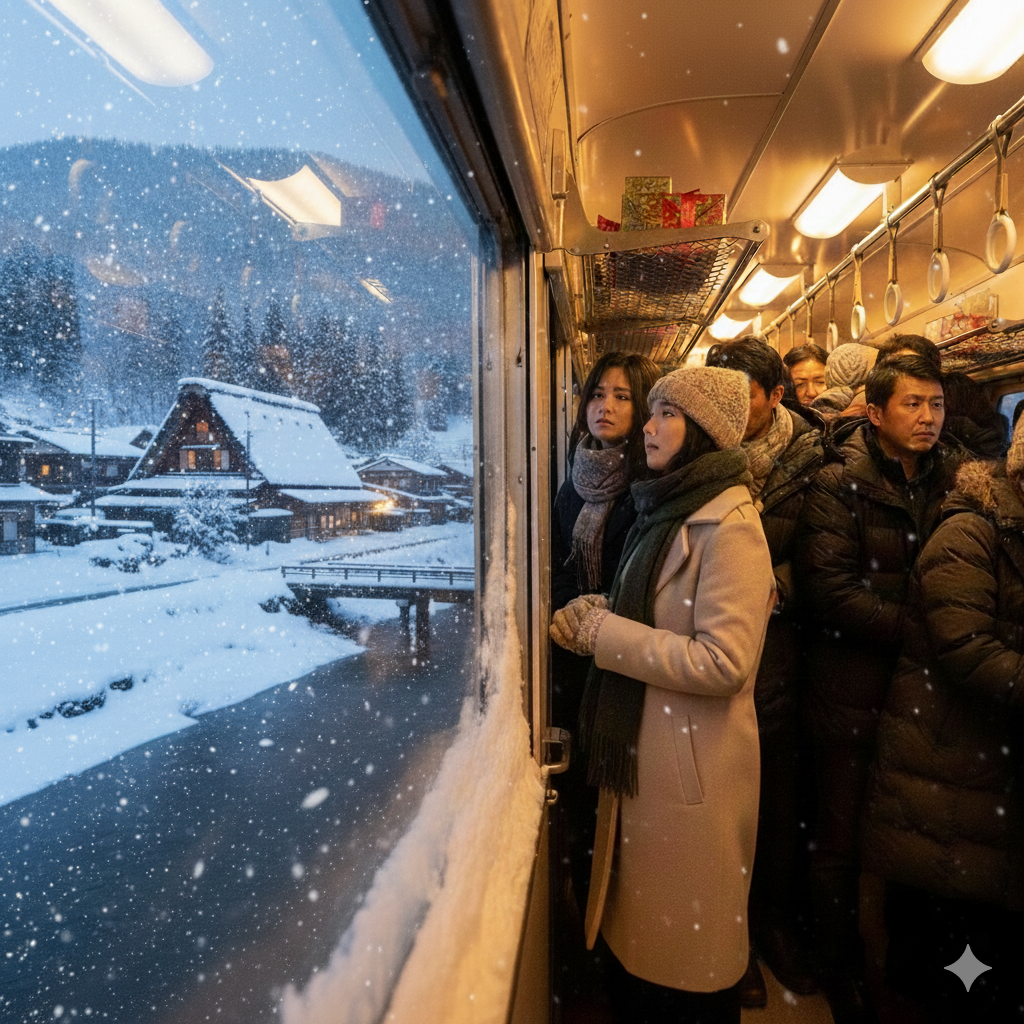
Winter in Japan brings freezing temperatures, thicker coats, and of course—packed trains during rush hour. For many travelers, navigating these crowded conditions can be overwhelming, especially if you're unfamiliar with the unspoken rules that locals follow. Understanding a few key etiquette points can make your commute smoother, more comfortable, and more respectful to everyone around you.
Dress With the Crowd in Mind
Winter outfits tend to be bulky, and on packed trains they take up more space than you realize. Big scarves, oversized coats, and backpacks can unintentionally bump into others. Many commuters remove their backpacks or hold them in front to reduce the space they occupy. If your coat is especially puffy, try standing in a way that minimizes contact with those around you.
Be Strategic With Your Winter Gear
Umbrellas, gloves, and scarves can become a hassle once you're inside a crowded carriage. Fold your umbrella before entering the station and keep it in a cover if possible. Wet umbrellas dripping onto the floor or onto someone’s shoes are considered inconsiderate. Storing small accessories in your bag also helps avoid accidental drops during sudden train movements.
Mind the Heating
Trains in Japan can get surprisingly warm in winter, especially during rush hour when carriages are packed. Locals often adjust by unzipping their coats or loosening scarves to avoid overheating. If you start feeling too warm, do this subtly so you don’t bump anyone around you.
Minimize Noise and Conversation
Crowded winter trains tend to be quiet. People are tired, cold, and just trying to get to work or home. Keep conversations soft and avoid taking calls. Even loud typing on a smartphone can be distracting when riders are shoulder-to-shoulder.
Keep Aisles and Doors Clear
During rush hour, every inch of space counts. Stand in rows, follow the flow of people, and avoid blocking the door area unless you're getting off soon. In winter, trains can fill even faster because people move more slowly with layers on, so being aware of your surroundings helps everyone.
Prepare for Sudden Stops
Wet or snowy tracks can cause trains to brake more abruptly than usual. If you're standing, hold onto straps or poles as soon as you board. Sudden lurches in a packed train can cause a domino effect, pushing passengers into each other.
Avoid Eating or Drinking
Warm drinks are tempting on cold days, but rush hour is not the place for them. Spills are more likely when the train is crowded, and the smell of food or coffee can feel stronger in a warm, enclosed space.
Respect the Personal Bubble—Even When It’s Small
Japan’s winter rush hour trains don’t leave much room, but locals still try to maintain a sense of personal space. Small gestures—turning your body slightly, keeping your arms close, or standing still instead of shifting frequently—help maintain comfort for others.
Follow Boarding Order
Even when it’s freezing outside, people still queue neatly for trains. Let passengers exit fully before you step on. Cutting lines or rushing is especially frowned upon when everyone is equally cold.
Final Thoughts
Winter rush hour trains in Japan can be intense, but following local etiquette helps make the experience more manageable. With a bit of awareness and preparation, you can navigate the crowds smoothly and respectfully. It's an unspoken system that keeps Japan’s famously busy train network running efficiently—even on the coldest days.