10 Unique Japanese Traditions Still Preserved Today
Japan is known as a highly modern, advanced country, yet it continues to uphold its ancestral customs and cultural values. Even though technology grows rapidly and daily life becomes increasingly practical, many ancient traditions remain alive. This blend between past and present is what makes Japan truly fascinating. Here are 10 unique Japanese traditions that are still preserved and remain an important part of society today.
1. Hanami (Viewing Cherry Blossoms)
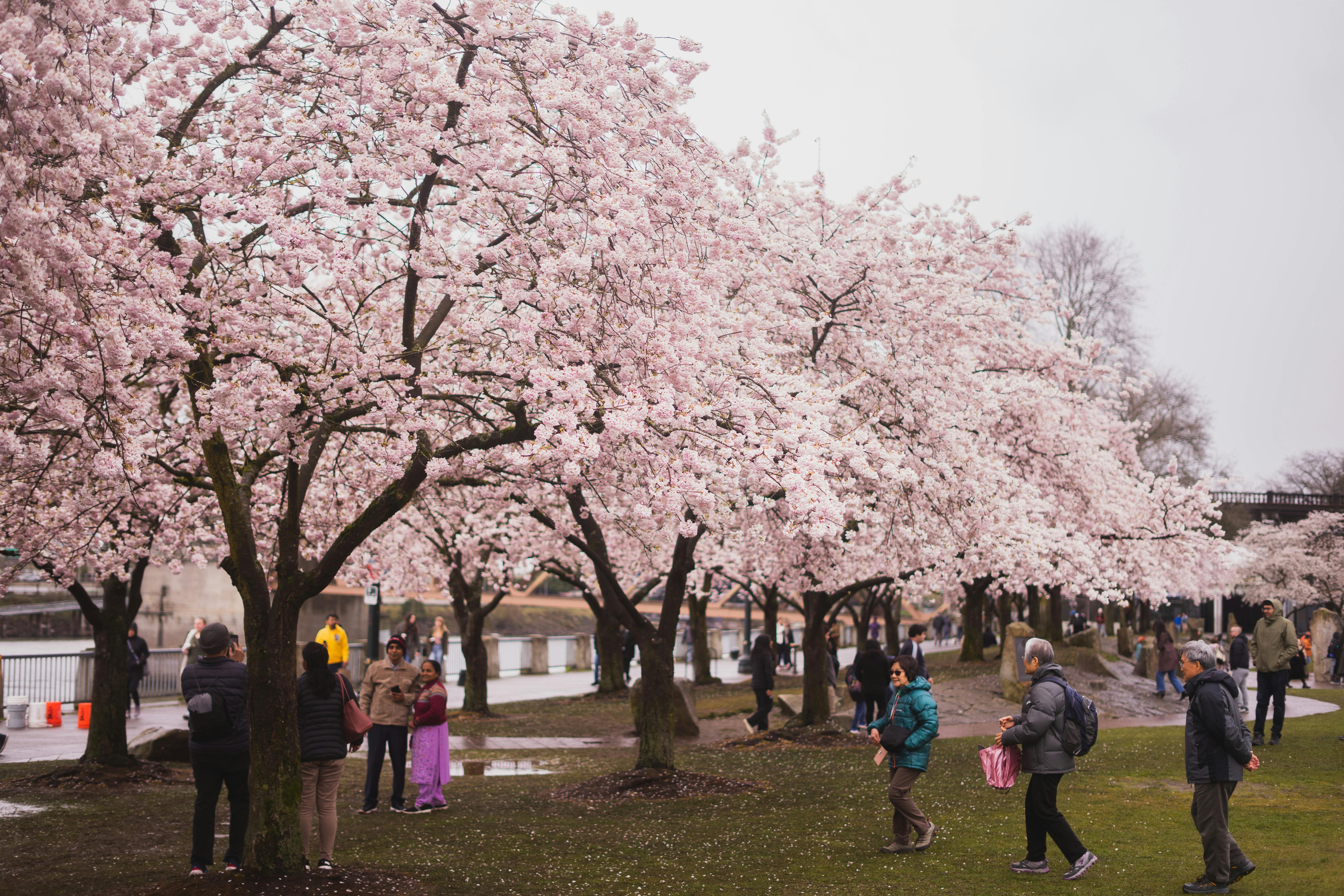
Every spring, the Japanese enjoy the beauty of blooming cherry blossoms. This tradition is called Hanami, which means “flower viewing.” Usually held between late March and early April, families and friends gather in parks, bring picnic baskets, and spend time under cherry trees in full bloom. Hanami also symbolizes reflection on life, reminding people that beauty is fleeting. It teaches the importance of cherishing each moment.
2. Shogatsu (Japanese New Year Celebration)
For the Japanese, Shogatsu or New Year is the most important celebration of the year. Instead of loud parties, Shogatsu is peaceful and meaningful. On January 1st, people visit shrines (Hatsumode) to pray for good fortune. Homes are cleaned beforehand, and traditional decorations like kadomatsu are placed at entrances. Families enjoy Osechi Ryori, New Year dishes filled with symbolic meanings such as longevity and prosperity.
3. Setsubun (Driving Away Evil Spirits)
Setsubun is celebrated every February 3rd. People perform Mame-maki — throwing roasted soybeans outside while shouting, “Oni wa soto! Fuku wa uchi!” meaning “Evil out! Fortune in!” Children often wear oni masks while adults throw the beans. Afterwards, everyone eats beans according to their age for luck.
4. Obon (Festival for Ancestors’ Spirits)
Obon, held in mid-August, honors ancestral spirits who are believed to return home during this period. Families light lanterns, visit graves, and perform Toro Nagashi — floating lanterns on rivers or seas to guide spirits back. Many regions also hold Bon Odori, traditional dances expressing gratitude.
5. Seijin no Hi (Coming of Age Day)
Celebrated on the second Monday of January, Seijin no Hi honors young adults who turn 20. They attend ceremonies called Seijin Shiki and receive advice on adulthood. Women wear elegant furisode kimono, while men wear suits or hakama, followed by celebrations with friends.
6. Chanoyu (Tea Ceremony)
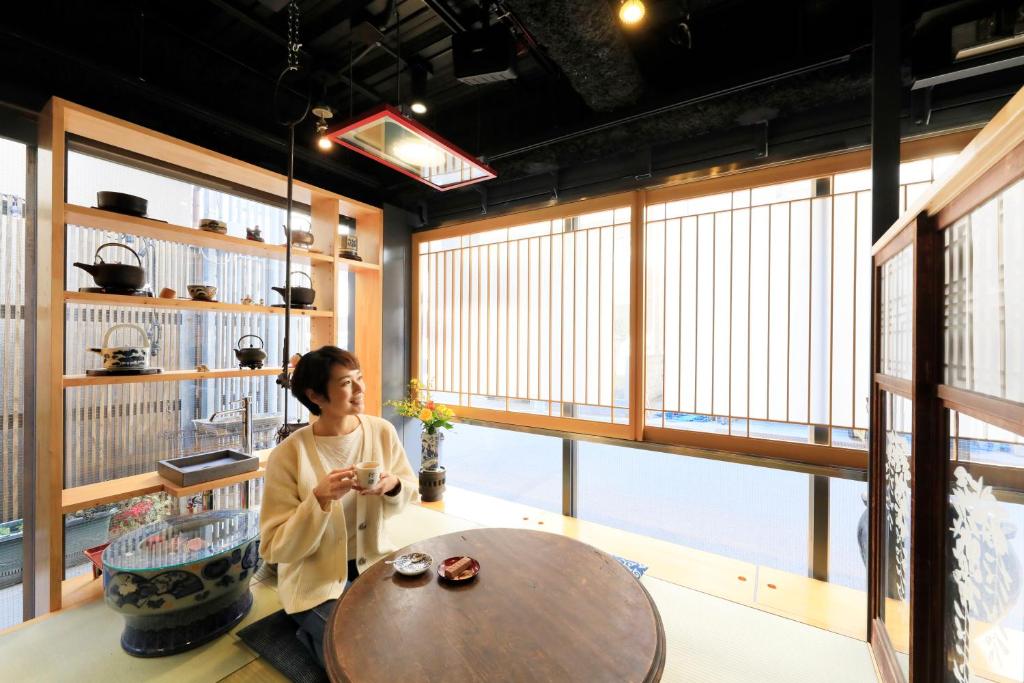
Chanoyu is a centuries-old tea ceremony based on Zen philosophy: calmness, harmony, and simplicity. Matcha is prepared with precise, graceful movements. The ceremony teaches respect, mindfulness, and appreciation for simple beauty. It remains practiced in schools and tea houses.
7. Haru Matsuri (Spring Festival)
Haru Matsuri is celebrated across Japan to welcome spring and thank the gods for past harvests. Each region has its own style, including mikoshi parades, taiko drumming, dancing, and various festival foods like takoyaki and taiyaki. It symbolizes joy after winter.
8. Gion Matsuri (Gion Festival in Kyoto)
Held every July, Gion Matsuri is one of Japan’s biggest festivals. Its highlight is the Yamaboko Junko parade, featuring giant artistic floats pulled by hundreds of people. Lantern-lit streets, food stalls, and traditional performances create a festive yet culturally rich atmosphere.
9. Shichi-Go-San (Festival for Children Aged 7-5-3)
Shichi-Go-San, celebrated on November 15th, honors the growth of children. Kids wear traditional attire and visit shrines to pray for health and happiness. They receive Chitose Ame, long red-and-white candy symbolizing long life and good luck.
10. Ohanami Yukidoke (Appreciating Nature After the Snow Melts)
Ohanami Yukidoke celebrates the beauty of nature as winter ends. In regions like Hokkaido and Nagano, people admire melting snow and early plum blossoms. It symbolizes renewal and inspires many artists. For the Japanese, observing these changes means honoring the rhythm of life and nature.
From Hanami to Ohanami Yukidoke, each tradition carries deep meaning — teaching gratitude, balance, respect for nature, and togetherness. Even as the world modernizes, Japan preserves its heritage with elegance and relevance.